


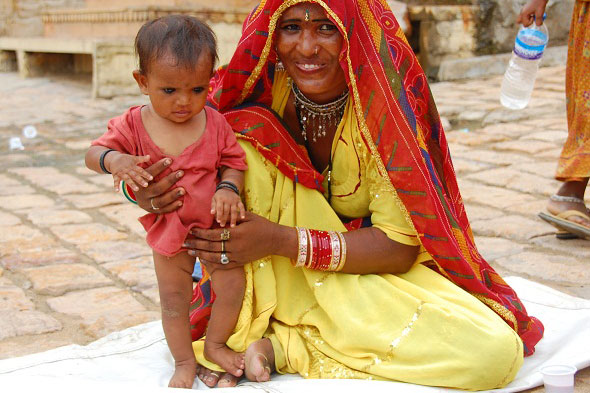


True to the topic of country that leaves no one indifferent, India offers raw images, hard, sometimes, extravagant. Images of a human landscape that the eyes of any traveler, perhaps accustomed kinder realities, inevitably have to look. These are just some of them.
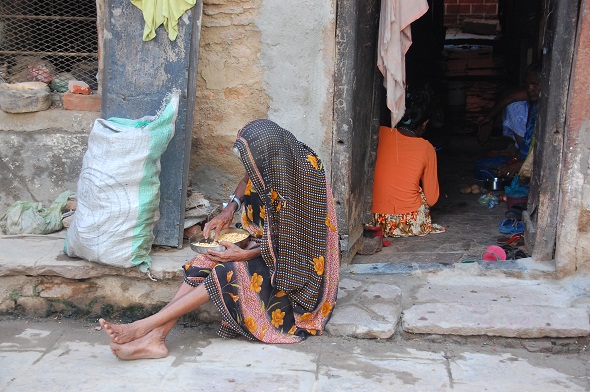
1. Early morning in Jodhpur. Night closed. The Jaisalmer train just left me with British punctuality on the wet platform in full monsoon. I run to shelter from the rain and entered the station encounter an unusual landscape: dozens of people, men, Women and children, pitches on the lobby waiting, sleeping, giving heat. Impossible to describe the atmosphere that breathe there, odors, the sounds. Stations and trains in India are a small universe within this vast country. In the most remote platforms that are no longer in use whole families living in these places have made their home. They cook, eat, sleep and try to survive in the open. Waiting for the train, one can see women pouring a handful of white rice on a tin plate to feed their children, or children who beg alms for the windows or on the platforms.
In the most remote platforms that are no longer in use whole families living in these places have made their home
2. lepers, Crippled, mancos, deformed, disabilities of all kinds anywhere asking resigned to what they have to live. Legless Boys who wallow in the mud of the streets of Ajmer to boot a few rupees to passersby that some celebrating a Muslim holy man. A Amritsar, from the rickshaw to take me to the hotel, I can see by the roadside, sitting on the trash and dirt, humidity and standing water, a scruffy, ragged boy, with vacant eyes and a gruesome open wound that goes from knee to ankle, gangrenous and completely covered in flies.
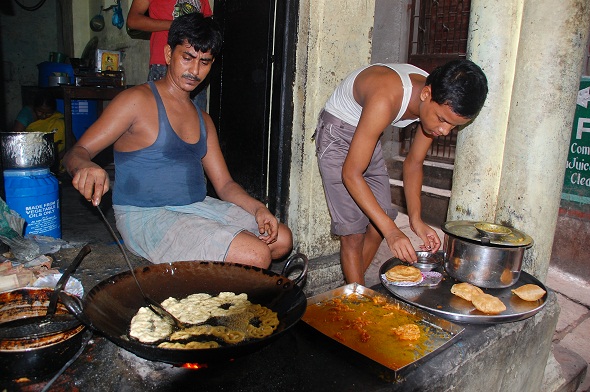
3. Street food stalls at a time installed anywhere and prepare a delicious lunch. In the narrow streets of the old part of Varanasi, a small place of no more than two square meters is enough space to put a large pan over a charcoal fire, frying food and display the result to the hungry passers. In any street that crosses often find someone cooking or making tea. And all this smell of fried food ends up mixed with garbage and feces of animals.
More than venerable holy men, beggars appear in uniform
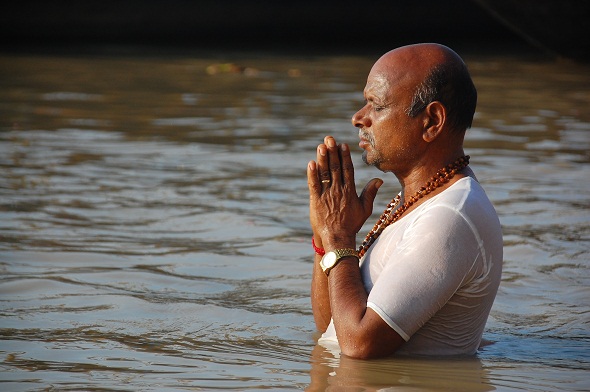
4. Sadhus, santones, men who have renounced the pleasures of this world by seeking God, by illumination, la mokhsa, nirvana. Always with their orange robes and saffron, with their long beards. Holy men who live on the banks of the sacred Ganges, in Varanasi, found a gap in the ghats, with his dreadlocks. I like to watch them as they make their ablutions in the river. They can be seen in the markets, stationed at the corners of the streets waiting for a few rupees or a meal. They are in every city. More than venerable holy men, beggars appear in uniform. Is there anyone who has found the path to internal freedom?
5. Indian children. The boy dressed in a loincloth meager, barefoot and filthy, knees clean food debris and dirt from the floor of the car to take me to an old Amritsar, dirty and ragged shirt. On their way, with resigned look, asks a few rupees in payment for their services to the indifference of the passengers. When you exit the car before the train depart, I see him smile with another boy look just like his brother or perhaps a friend. Children working in hotels cleaning the rooms or serving tables. "No Dad, Mum not ", one told me when I asked why not go to school. They have to work to survive. They can be found in the lobby when you arrive at the hotel at dawn thrown together on a mat or blanket.
Some women go into trance, hair is mesangial, poured on the ground, dan volteretas
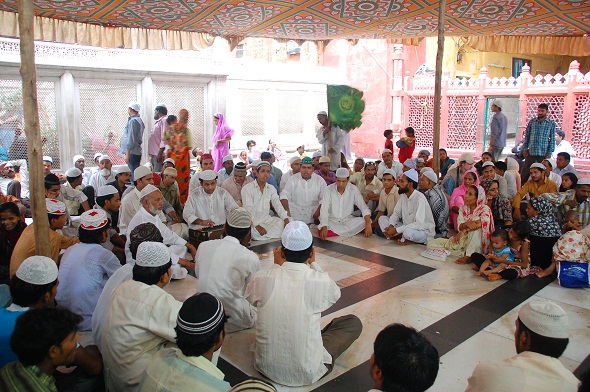
6. And the temples and shrines. New Delhi. Shrine of the Holy musulman Nizzamudin. Men visit the remains of the saint in a sumptuous golden building. Rezan. Meditate. Outside, women, to which is denied access to the interior, touch the ground, columns or any object near the entrance of the mausoleum and carried with veneration and respect heart hands and mouth to soak up the grace that is buried there. Other men, women and children remain outside sitting, talking, riendo the singing qawwali, while behind, in a separate room from the rest of the enclosure by a lattice, Some women go into trance, hair is mesangial, poured on the ground, dan volteretas. And always, anytime, the crowd appears ragged boy, or a man who is missing a leg, one eye, any body member, to ask a few rupees.
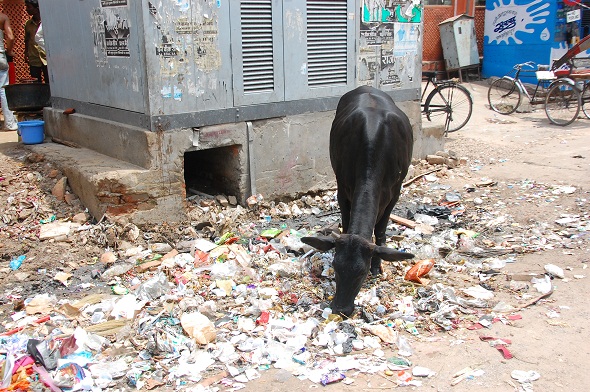
Dirt, trash, rot swirling corners, on sidewalks, along streets, before stores, with food stalls, in the sacred Ganges River. Because that is India, a place to live magnificent treasures, extraordinary landscapes, hospitable, friendly and smiling, with grinding poverty and inequality more lacerating. A place where good and evil, the beauty and misery are mixed before our eyes with a naturalness and harmony difficult to understand. A place where everything happens in a minute.


