Jordan: beyond Petra and Rania
No sabía mucho sobre esta vasta extensión de territorios áridos sin petróleo en Oriente Medio. Antes de viajar allí, Petra era lo único que me venía a la cabeza al pensar en Jordania, también conocido hogar de la mediática reina Rania. Me sorprendió gratamente descubrir la imagen tan equivocada y superficial que tenía de aquel país.
En las últimas décadas el reino Hachemita vivió de un turismo internacional que acudía en masa a visitar el desierto, la ciudad de piedra, el mar Muerto y ciertos lugares de culto en el camino de la peregrinación a Tierra Santa, como el Monte Nebo. Los hoteles, los conductores de furgonetas, los guías, los restaurantes de comida típica con precios de turista, los vendedores de souvenirs, y muchos más se beneficiaban de un sector que suponía alrededor del 25% del producto interior bruto jordano.
Sólo durante algunos periodos puntuales, como las etapas más mediáticas de la invasión de Irak, los ataques de Israel sobre Gaza, o los atentados del 11S, hacían que el ir y venir de visitantes por las carreteras, las ciudades y los monumentos descendiera. After the attack on the Twin Towers, eg, los arqueólogos aprovecharon la tranquilidad para continuar excavando en el interior del principal templo de Petra.
Los arqueólogos aprovecharon la tranquilidad para continuar excavando en el interior del principal templo de Petra
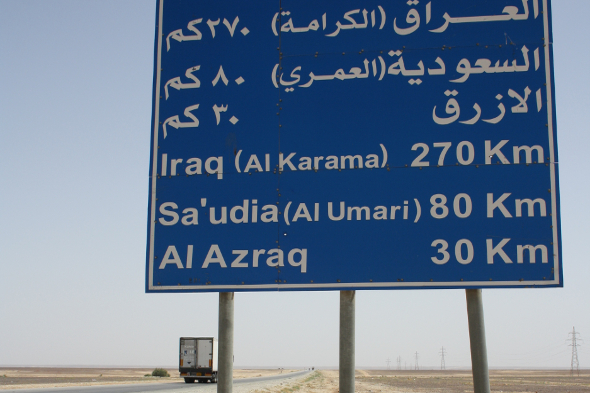
But, a partir de las denominadas “primaveras árabes”, la crisis económica mundial, y el conflicto en Siria el turismo en Jordania ha caído alrededor de un 70%. Sus fronteras no ayudan al país a transmitir una imagen de seguridad. La ocupación israelí acapara la brisa marina por el oeste. Por la carretera del este circulan camiones con dirección a Irak, un país arrasado a todos los niveles. Y en el norte Siria, la que fuera casi más turística que Jordania por tesoros culturales como la ciudad de Palmira, lleva ya cuatro años en una guerra con demasiados frentes y unos cuantos intereses internacionales de por medio. Nada ha sucedido en territorio jordano, pero la gente tiene miedo.
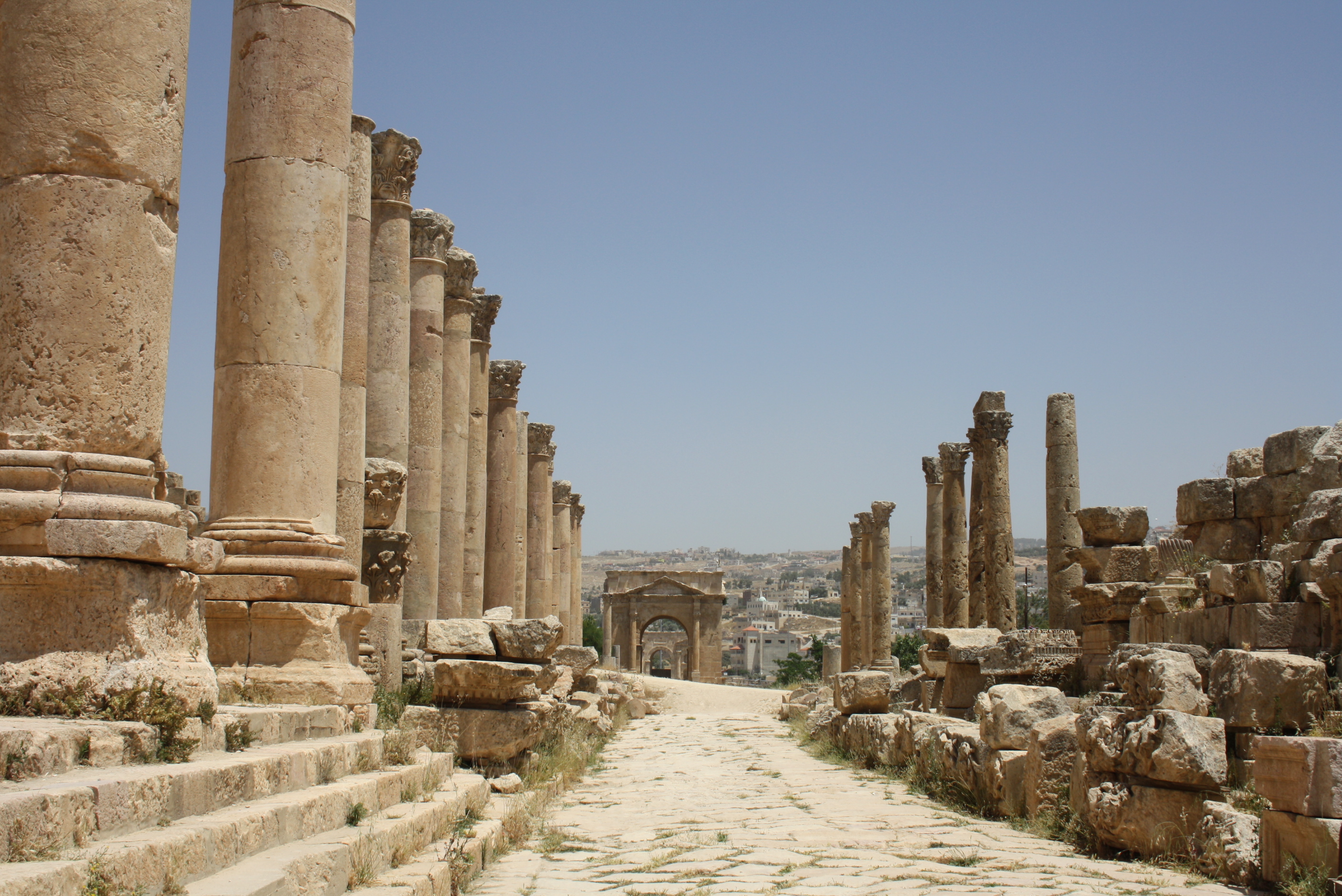
Jerash fue una verdadera sorpresa que no se anuncia entre los atractivos turísticos del país. El sur de Europa exhibe orgulloso maravillas como las de Roma, pero las ruinas de este enclave en el norte jordano no tienen nada que envidiar. Paseamos por la calle central o cardo, que discurre entre las dos puertas principales, el circo, el anfiteatro, la plaza central, los templos de algunos dioses y el sistema de canalización de aguas. Hay tanto y tan bien conservado que nunca antes me había sido tan fácil imaginar la vida urbana en tiempos del Imperio. Estas reliquias se encuentran en el norte jordano, la zona más verde y donde se concentra la mayor parte de la población del país. Ahora mismo estamos más cerca de Damasco que de Petra.
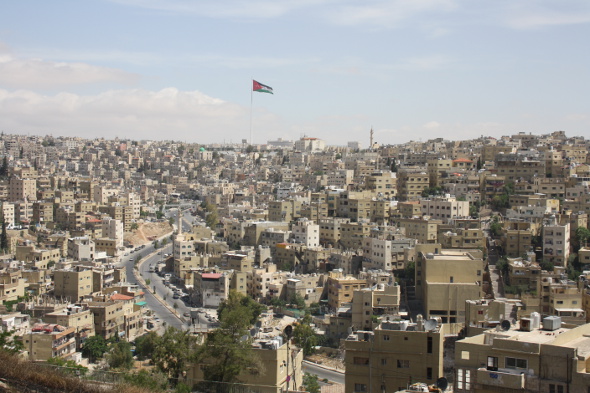
La ciudad es un continuo de barrios construidos en un uniforme tono ocre
Further south, en Amman, la antigua Ciudadela romana es el sitio idóneo para contemplar una vista panorámica de la capital jordana. Desde allí la ciudad es un continuo de barrios construidos en un uniforme tono ocre, distribuidos a lo largo y ancho de siete colinas. En medio de la masa, destacan las mezquitas y alguna creación de arte urbano que marca un sobresalto en medio de la monotonía. La vida ajetreada de la ciudad, ambientada por los cantos de los muecines llamando a la oración desde las mezquitas, nos invita a pasear por las calles y mercados del centro y comer en algún puesto callejero.
Seguimos hacia el sur con el objetivo de llegar a la soñada Petra. A las afueras de Amman hay algunos barrios visiblemente más humildes; construcciones improvisadas y algunas calles sin asfaltar. Son los “campamentos” de refugiados palestinos. Of the 11 millones de habitantes que tiene el país, unos seis millones son jordanos. El resto de la población se compone de refugiados sirios, iraquíes y palestinos. Estos últimos son quienes más tiempo llevan en el país, y después de décadas esperando un retorno que nunca llega, sus trece campamentos se han convertido en barrios.
También hay migrantes de otros lugares como Egipto que vienen a llevar a cabo trabajos poco cualificados que la población solía rechazar. Pero eso era antes de la crisis. Today, con sueldos medios alrededor de los 600 dólares y con Amman como la ciudad árabe más cara por delante de Abu Dhabi y Dubai, muchos jordanos emigran y ya no desechan ningún empleo en su país. Esta situación ha influido también en la progresiva incorporación de la mujer al mercado laboral.
No es posible acceder a la orilla sin pasar por un establecimiento turístico
Junto a las estereotipadas imágenes de la reina y el templo de Petra, el Mar Muerto es otra de las leyendas turísticas de Jordania. Como en muchas otras zonas del mundo, el baño en este mar interior con un nivel desproporcionado de sales y minerales, ha sido privatizado por grandes hoteles. No es posible acceder a la orilla sin pasar por un establecimiento turístico con sus correspondientes tiendas de productos del Mar Muerto, y la curiosidad por saber cómo es un mar en el que se flota constantemente termina vencida por el sentimiento de decepción por la invasión del turismo.
Descendemos por el mapa hacia el sur. La vegetación comienza a reducirse a arbustos y el paisaje se torna en desierto. Pequeños remolinos de arena nublan la vista en algunos tramos y nos obligan a parar de vez en cuando. Más desierto. Los pueblos escasean, y durante muchos kilómetros lo único que nos rodea son camellos, algún campamento beduino con sus rebaños, y una enorme tubería por la que el agua corre desde el subsuelo del desierto hacia las zonas más pobladas del país.
Comienzan a aparecer también una especie de montañas de tierra y arena en medio del paisaje, con un agujero en su parte superior, como gigantescos hormigueros entre los que a veces se levantan construcciones industriales. Son minas de fosfato, un negocio que suple ahora las pérdidas que ha ocasionado el derrumbamiento del turismo. Siempre ha sido un recurso importante: Jordania es el tercer país del mundo en la extracción de este mineral después de Estados Unidos y el Sáhara.
Fue asfaltada por Sadam Hussein durante la segunda Guerra del Golfo
Esta carretera que abre el camino por el desierto hasta Petra fue asfaltada por Sadam Hussein durante la segunda Guerra del Golfo. Debido al bloqueo al que el régimen iraquí estaba sometido, éste solicitó que Jordania le permitiera introducir las mercancías en su territorio desde la pequeña costa jordana sobre el Mar Rojo, en la ciudad de Aqaba, y atravesar el país hasta Irak. A cambio los iraquíes asfaltaron la autovía.
Final de trayecto. Wadi Musa está poblado mayoritariamente por los beduinos que antes vivían en las cuevas de Petra. El gobierno llegó a un acuerdo con ellos para que abandonaran las cavidades y a cambio construyó un pueblo a las puertas de Petra para que vivieran y les obsequió con el monopolio de los servicios turísticos dentro de la ciudad de piedra.
Para entrar a la segunda maravilla del mundo, construida en la roca hace veinte siglos, hay que pasar primero las taquillas, los baños, las tiendas de souvenirs y los carteles que recuerdan a algún turista despistado que no hay que llevarse piedras del lugar en el bolsillo, o que no será de ayuda dar dinero a los menores beduinos que encontremos trabajando dentro porque, además del veneno que supone establecer relaciones de dependencia, tendrían que estar en el colegio.
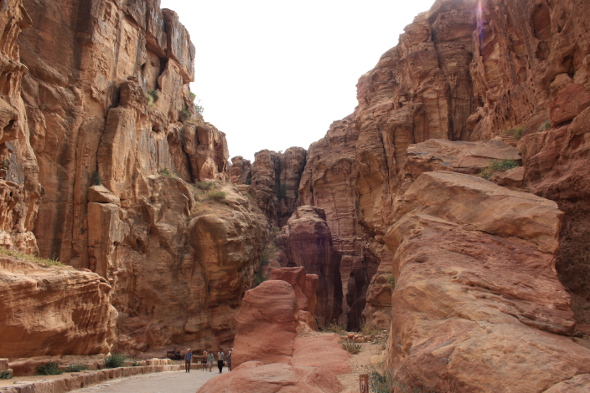
Caminamos hacia el interior de las montañas y, tras dos kilómetros de paseo por las entrañas de un cañón natural, antes de doblar la última curva la emoción nubla la vista al contemplar una de las fachadas más bonitas y famosas del mundo: el Tesoro de la ciudad de Petra.